
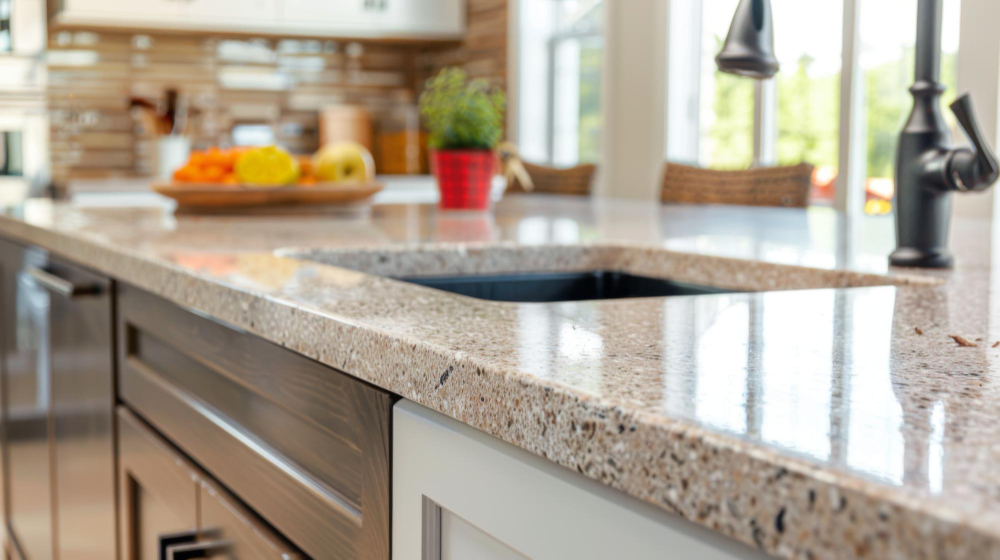
Earning its place in kitchens, bathrooms, patios, and lobby floors for a reason: durable, quietly elegant, and ages with character. But like any natural stone, it needs the right care to keep looking its best, especially in high-traffic homes and commercial spaces. Below is a practical guide on how to clean and restore limestone, and day-to-day tips for caring so it continues to elevate your space for years.
Know your surface and its finish
Before you reach for a cleaner, take two minutes to understand what you have. Limestone may be honed (matte), brushed, or tumbled for a softer texture; each finish reflects light and hides wear differently. Your approach to cleaning is similar across finishes, but expectations for sheen and patina will vary. For a deeper background check our content on what should i know about limestone.
The everyday clean: simple, safe, consistent
Dry dust first. Grit acts like sandpaper. Use a soft broom, soft cloth or vacuum with a brush head.
Mop with pH-neutral cleaner. Mix a stone-safe, pH-neutral solution with warm water. Avoid vinegar, bleach, or generic bathroom/kitchen sprays, acidic or alkaline chemicals can etch limestone.
Use two buckets. One for your cleaning solution, one for rinse water. Wring the mop thoroughly; oversaturation drives moisture into grout and stone.
Dry thoroughly. A soft or microfiber cloth prevents water spots and keeps the surface streak-free.
Quick do’s and don’ts
- Do place mats or runners at entries and in front of sinks.
- Do wipe spills promptly: wine, citrus, coffee, and oils can stain or etch.
- Don’t use abrasive pads, scouring powders, or steam mops on sealed stone.
- Don’t let the cleaner dry on the surface; always rinse and dry.
Stain triage: how to lift marks without harm
Different stains need different strategies, and speed helps.
Organic stains (coffee, tea, leaves). Try your pH-neutral cleaner first. If shadowing remains, a stone-safe oxygenated cleaner can help, follow manufacturer guidance closely.
Oil-based stains (olive oil, cosmetics). Blot (don’t rub) to remove excess, then apply a stone poultice formulated for oils. This draws the stain out gradually. Be patient, some stains need two rounds.
Metal/rust marks. Use only a rust remover labeled safe for natural stone. Test in a discreet area first.
Etch marks (dull, light patches). Etching isn’t a stain; it’s a micro-surface change caused by acids. Light etches on honed limestone can sometimes be buffed with a stone polishing powder. Deeper etches usually require professional honing.
Pro tip for kitchens: keep a small “spill kit” in the pantry, soft or microfiber towels, pH-neutral spray, and a ready-to-mix poultice. Fast action saves finishes.
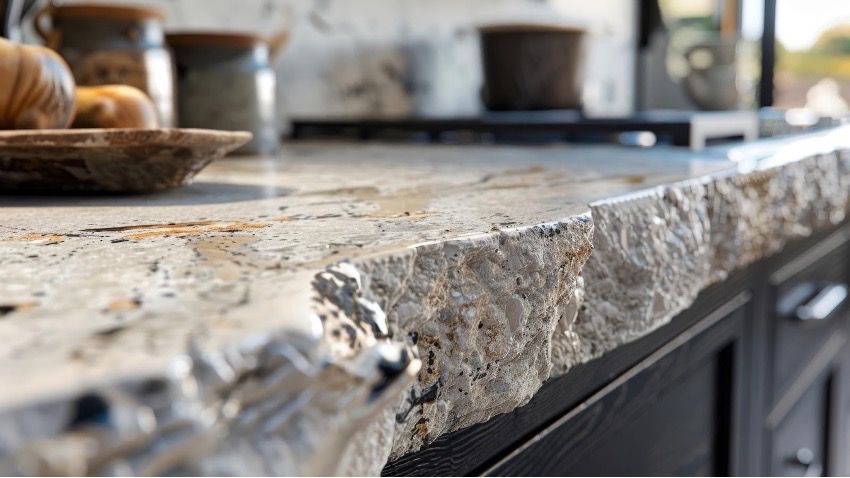
Sealing: the quiet hero of long-term care
A penetrating sealer helps resist stains without changing the stone’s natural look. Frequency depends on traffic, exposure, and finish, but a good rule of thumb:
- Residential interiors: every 1–3 years.
- Commercial or heavy-use kitchens/baths: annually.
- Outdoor patios in sunny, high-UV zones (Los Angeles, San Antonio): check annually; reseal every 12–18 months, especially before peak season.
How to check if you need resealing: place a few drops of water on the surface. If it darkens within a minute, it’s time to reseal.
Application basics: Clean thoroughly; let dry overnight. Apply a penetrating sealer in thin, even coats, wiping excess before it dries on the surface. Ventilate well and follow cure times before traffic resumes.
How to restore limestone that’s lost its luster
When regular cleaning no longer lifts the “haze,” or when scratches and etches are visible throughout, restoration is the reset button.
Honing (for uniform, matte beauty). Professionals use progressively finer abrasives to level scratches and etches, renewing the surface to a smooth, consistent sheen, ideal for honed or brushed finishes in kitchens, baths, and commercial lobbies.
Polishing (for subtle reflection). If your limestone was originally finished to a soft polish, a pro can refine and brighten it after honing. Note: most limestones favor a gentle sheen rather than a mirror gloss; talk finish goals through before work begins.
Grout refresh. Restoration often includes deep grout cleaning, repair of cracked joints, and color-consistent sealing for crisp lines that make the stone read “new.”
Edge and threshold touch-ups. High-wear transitions, shower curbs, and stair nosings benefit from targeted honing so the whole field feels cohesive.
Outdoor limestone: patios, pool decks, and façades
Brings resort-level calm to courtyards and terraces, but sun, rain, and biological growth add variables.
- Rinse regularly. A low-pressure hose rinse lifts dust and pollen. Avoid high-pressure washers; they can open pores and accelerate weathering.
- Treat growth gently. Algae or mildew? Use a stone-safe outdoor cleaner and a soft nylon brush. Rinse well; reseal when fully dry.
- Mind furniture feet. Add felt or rubber pads under chair and table legs to prevent drag marks.
Bathroom and shower specifics
Soap scum and hard water can dull limestone showers. Switch to liquid, low-residue soap, squeegee after use, and do a weekly pH-neutral clean. For mineral deposits, use a stone-safe descaler (never vinegar), working in small sections and rinsing thoroughly.
Building a maintenance rhythm (that you’ll actually keep)
A sustainable plan beats occasional “marathon” cleanings. Here’s a schedule many homeowners and business owners adopt:
- Daily/after use: wipe spills; squeegee showers.
- Weekly: dust-mop/vacuum; damp-mop with pH-neutral cleaner.
- Quarterly: detailed clean of grout lines and edges; check high-traffic paths.
- Annually: water-drop test and reseal if needed; evaluate for spot honing in heavy-use zones.
When to call the pros
Limestone thrives when you respect its nature: a breathable, calcium-based stone that rewards gentle cleaners, quick spill response, and smart sealing. Follow the guidance above and you’ll preserve its soft color movement and tactile warmth for decades in any space.
Visit Elements Room showrooms in Los Angeles, CA and San Antonio, TX. Our team can help you select the right finish and with a maintenance plan that keeps your stone looking as considered as the day it was installed.