
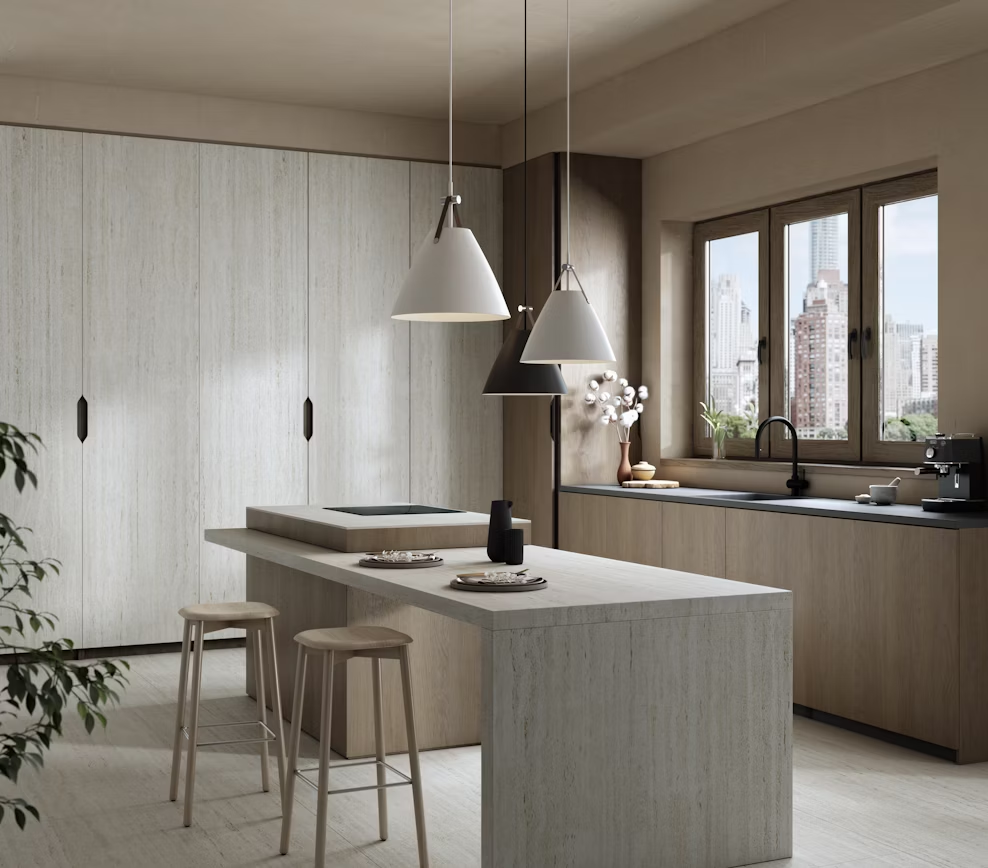
White kitchens had their moment. A very long moment, actually. For years, they dominated interior design — crisp, clean, bright. And then something shifted.
Homeowners started noticing what white couldn’t give them. Warmth. Depth. That feeling of walking into a space that wraps around you instead of reflecting back at you.
Enter beige.
Beige kitchens are experiencing a major comeback. This isn’t a fleeting trend. It’s a fundamental recognition that beige offers something white simply cannot: sophistication, comfort, and an elegance that only deepens with time.
Pantone validated this shift by selecting “Cloud Dancer” – a luminous, ethereal beige close to off-white — as the 2026 Color of the Year. As Cosentino’s trend report notes, this beige sits at the intersection of brightness and warmth, designed to serve as a base for broader palettes of sand and stone tones.
Whether you’re drawn to modern minimalism, cozy farmhouse feel, or refined luxury, beige provides the perfect foundation for a kitchen that’s as beautiful as it is timeless.
Why Beige Makes Sense Now
The shift from white to beige reflects a broader cultural moment in interior design.
For the past decade, stark white kitchens represented modernity and cleanliness. But as design has evolved, so has our understanding of what “timeless” truly means. Beige offers warmth without the coldness of white, sophistication without the trendiness of bold colors, and versatility that works across multiple design styles.
What’s particularly significant: unlike bold colors that can feel dated within a few years, beige remains elegant and relevant. It adapts beautifully to different materials, finishes, and accent colors, making it an investment in a kitchen that will look sophisticated for decades.
Understanding Beige: Not All Beiges Are Created Equal
One of the most critical mistakes homeowners make: treating beige as a single, monolithic color. In reality, beige exists on a spectrum, and understanding the variations is essential to creating a cohesive space.
Cream Beige
Cream beige sits at the lighter end, leaning almost toward off-white. According to LEICHT Queens’ design guide, these tones are perfect for kitchens with abundant natural light, reflecting beautifully and creating spacious feeling.
Cream beige works exceptionally well in Scandinavian-inspired kitchens and contemporary spaces where brightness is priority. The challenge? It can sometimes feel too close to white, losing the warmth that makes beige special. The solution is pairing it with materials that add depth — warm wood, brass hardware, textured stone.
Warm Beige
Warm beige sits comfortably in the middle, offering balance between lightness and depth. This is arguably the most versatile option, working in virtually any kitchen style and pairing beautifully with a wide range of materials.
Think soft sand or natural linen undertones. This is the beige you’ll see in transitional kitchens, modern farmhouse designs, and contemporary spaces prioritizing comfort alongside style.
Earthy Beige
Earthy tones sit deeper on the spectrum, with undertones of brown, terracotta, or natural clay. They add significant warmth and grounding, making them ideal for kitchens that want to feel cozy and established.
Earthy beige pairs beautifully with natural wood, warm metals like brass and copper, and stone materials with earthy undertones. This is the beige of traditional farmhouse kitchens and rustic-modern spaces.
Greige
Greige — the hybrid between beige and gray — has emerged as a favorite among contemporary designers. It offers beige warmth with gray sophistication, creating a tone that feels both modern and inviting.
Greige works particularly well in minimalist kitchens where a slightly cooler neutral is desired without sacrificing warmth entirely.
Why Undertones Matter So Much
Here’s where many design projects go wrong: beige is not a neutral color the way white is. Every beige has undertones — pink, green, gray, brown — and these undertones matter enormously.
A pink beige paired with a green-undertoned marble creates visual discord. A warm beige paired with cool gray countertops feels disjointed.
The key to a successful beige kitchen is ensuring all your materials — cabinetry, countertops, backsplash, flooring — share complementary undertones. This requires careful consideration and, ideally, consultation with a design professional.
Will Beige Go Out of Style?
The question many homeowners ask is simple. The answer is equally simple: No.
Beige is fundamentally different from trendy colors. It’s been used in sophisticated interiors for centuries, and it will continue to be used for centuries to come.
What makes beige timeless is its ability to balance warmth with sophistication. Unlike colors that shout for attention, beige whispers. It creates a backdrop allowing other elements — materials, textures, lighting, art — to shine.
A beige kitchen with marble countertops, brass hardware, and warm lighting feels luxurious. The same beige kitchen with concrete countertops, matte black hardware, and minimalist design feels contemporary.
Beige adapts. It doesn’t dictate.
Beige Countertops
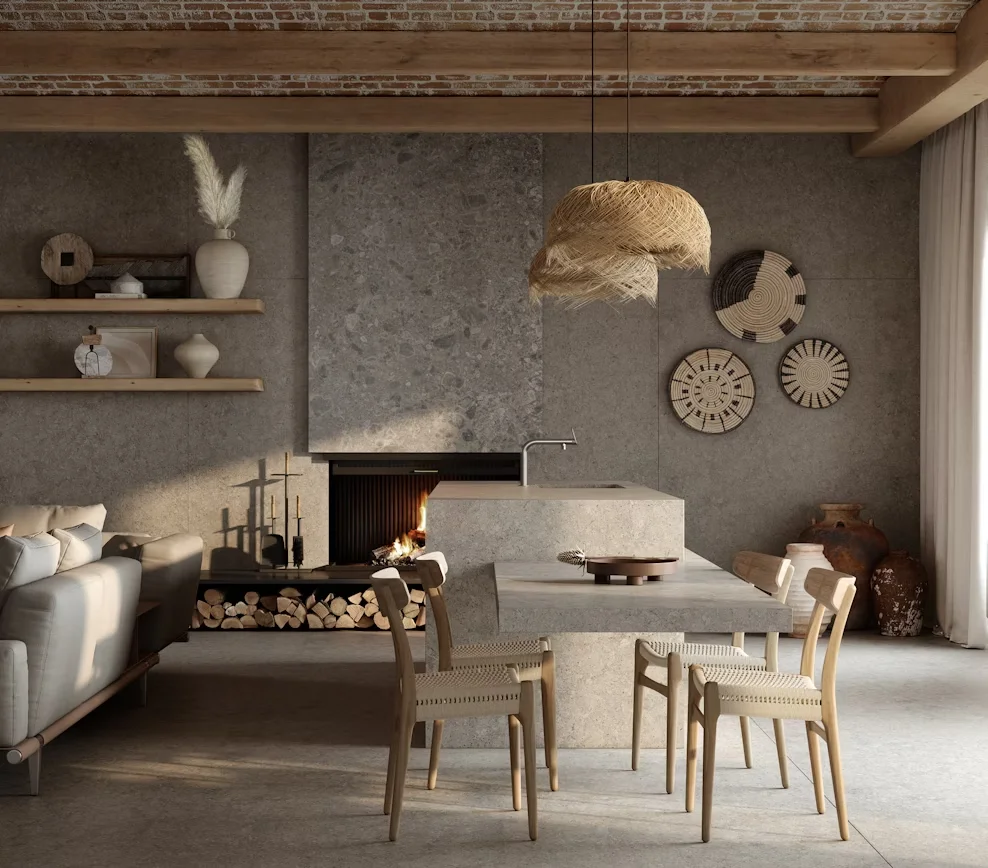
The countertop is arguably the most important surface in your kitchen — where function meets design, where durability meets aesthetics. Choosing the right material in complementary beige tones is essential.
Silestone Beige Options
Silestone has become a favorite among designers seeking the perfect balance of beauty and practicality. The brand offers an extensive palette of neutral tones within cream beige, sand, and greige ranges.
What makes Silestone particularly appealing is variety of finishes. A polished finish enhances brightness and spaciousness. A matte or soft-touch finish adds warmth and organic feel — perfect for kitchens with light wood cabinetry or off-white fronts.
The low porosity means your countertops will look impeccable with simple cleaning, contributing to the calm, cohesive look defining modern beige kitchens.
Dekton Beige Options
Dekton represents the pinnacle of engineered stone technology. For homeowners prioritizing high performance, Dekton makes it possible to design beige countertops with natural look and exceptional durability.
The collection includes beige and cream tones with subtle veining evoking natural stone elegance. These surfaces are especially striking when the countertop becomes focal point — large islands, waterfall edges, open-concept kitchens where the material is visible from the living area.
Natural Marble and Quartzite
Beige-toned marble and quartzite offer unparalleled luxury and visual impact. Marble brings timeless elegance. but requires regular sealing and careful maintenance.
Quartzite offers greater durability while maintaining luxurious aesthetic. Both materials work beautifully as statement pieces, particularly when paired with understated cabinetry and warm lighting.
Backsplash Ideas for Beige Kitchens
The backsplash is your opportunity to add texture, pattern, and visual interest without overwhelming the space. It should complement rather than compete with countertops and cabinetry.
-
Subway Tile in Complementary Tones remains a classic choice. Glossy white against beige cabinetry creates clean, timeless look. For more texture, consider matte finishes or tiles with subtle veining. Subway tile in warm cream or soft taupe creates sophisticated monochromatic effect.
-
Textured Stone Backsplash adds depth and visual interest. Honed marble, fluted stone, or textured granite in beige tones brings movement and sophistication. This works particularly well in luxury kitchens where backsplash becomes design feature rather than simply functional element.
Color Pairings: What Works With Beige
Beige is fundamentally a team player. It works with virtually every color, but understanding which pairings create which effects is essential.
Monochromatic Beige
Using multiple tones together creates sophistication and depth. Pair light cream cabinetry with warm beige countertops and earthy beige backsplash. The result feels cohesive, calm, deeply intentional.
To prevent monotony, add texture through different finishes — matte cabinetry, polished countertops, textured backsplash — and through materials like natural wood or stone.
Beige with Dark Accents
One of the most elegant pairings. According to The Cooklist’s 2026 cabinet ideas guide, beige plus charcoal or black creates visual drama. Beige plus deep walnut adds warmth and grounding.
This contrast makes beige feel more prominent and luxurious, transforming it from background color into design statement.
Beige with Jewel Tones
Deep blues, emerald greens, burgundy — they pair surprisingly beautifully with beige. A beige kitchen with deep blue island cabinetry creates visual interest and personality. Beige walls with emerald lower cabinets and brass hardware feels both modern and sophisticated.
Use jewel tones as accents rather than dominant color, allowing beige to remain foundation while jewel tones add personality.
Beige with Warm Metallics
Brass, bronze, and copper hardware paired with beige cabinetry create warmth and luxury. These metals echo beige’s warm undertones, creating harmonious, intentional aesthetic. Warm metallics also reflect light beautifully, enhancing beige luminosity.
Beige with Natural Wood
Whether light oak, warm walnut, or rich acacia, natural wood pairs beautifully with beige cabinetry. This combination creates cozy, collected aesthetic feeling both timeless and contemporary. Wood adds organic warmth and texture, preventing beige from feeling flat.
Practical Design Tips
Creating a beautiful beige kitchen goes beyond choosing cabinetry and countertops. It’s about understanding how everything works together.
Lighting Matters More Than You Think
Warm lighting enhances beige tones, making the kitchen feel cozy and inviting. Pendant lights above the island, under-cabinet lighting, and dimmers allowing mood adjustment throughout the day all contribute. Avoid harsh, cool-toned lighting, which can make beige appear gray or washed out.
Flooring Pairings
Light wood, soft grey stone, or warm tile complement beige cabinetry without competing. Flooring should feel like natural extension of overall palette, grounding the space while allowing cabinetry and countertops to remain focal points.
Wall Colors
Off-white, dusty rose, sage green, or pale terracotta walls work beautifully. Consider whether you want monochromatic effect (similar beige tones) or subtle contrast (complementary color). Either approach works if executed thoughtfully.
Accessories and Décor
Textiles, plants, artwork, and tableware add personality. A patterned rug, colorful ceramics on open shelving, artwork on walls — these transform beige kitchen from neutral backdrop to personal sanctuary. They’re also easily changeable, allowing refreshes without major renovations.
Your Beige Kitchen, Your Story
A beige kitchen is not a compromise or a safe choice. It’s an intelligent investment in timeless beauty, versatility, and enduring elegance.
The secret to success lies in understanding the nuances: the undertones in your beige, the materials complementing those undertones, the lighting enhancing those materials, and the accessories adding personality and warmth. When all these elements work together, the result is a kitchen that’s not just beautiful — it’s home.
Whether you’re seeking soft cream aesthetic, warm earthy palette, or sophisticated greige tone, we have the materials and expertise to bring your vision to life.
Ready to create your perfect beige kitchen? Schedule a consultation with our team at our Los Angeles or San Antonio showrooms.
Let’s create something extraordinary together.