
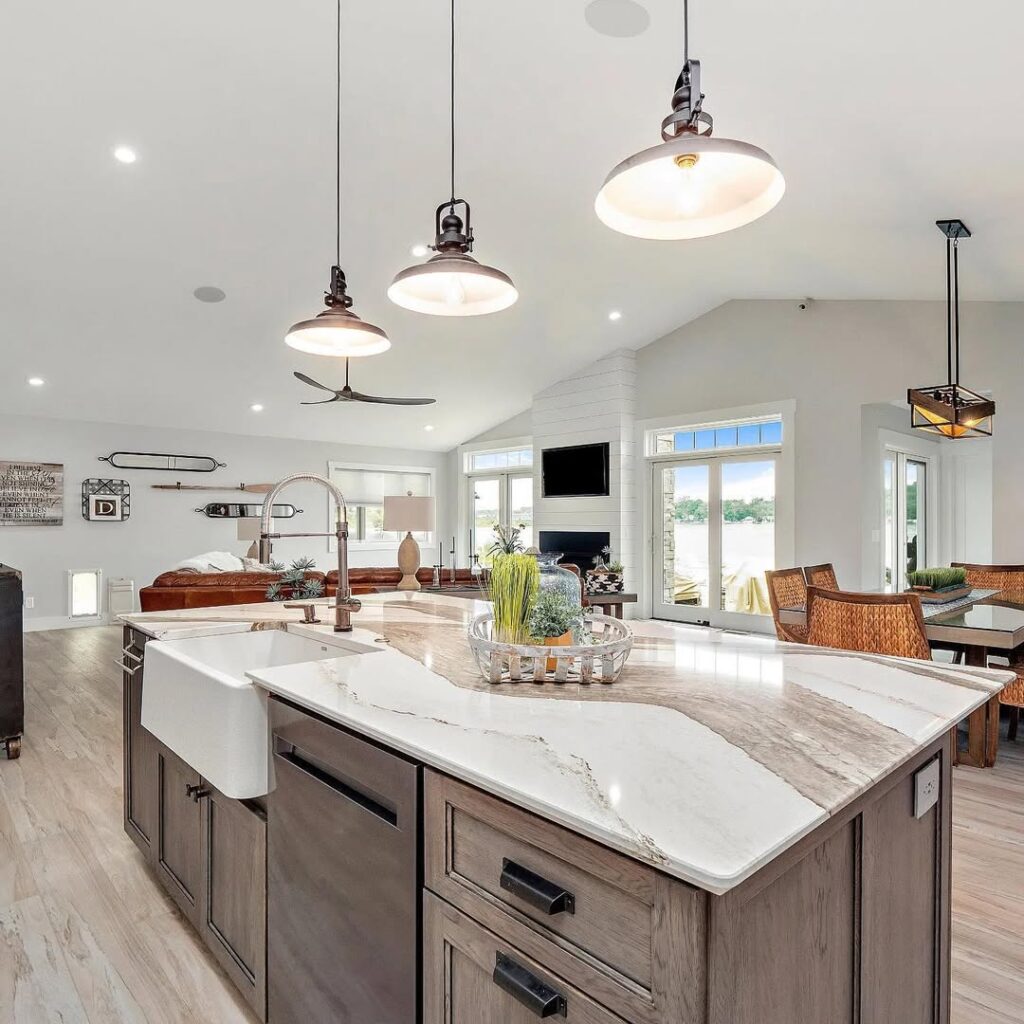
For years, the dining room felt like an afterthought. A formal space reserved for Thanksgiving and maybe the occasional dinner party, sitting empty and slightly awkward the other 360 days of the year.
Something has shifted.
According to Architectural Digest’s latest roundup of dining room ideas, dining rooms are experiencing a genuine renaissance. They’re reclaiming their place as intentional, personal spaces where families actually gather, friends are entertained, and life unfolds around a beautifully designed table.
This isn’t about stiff formality or outdated conventions. Today’s dining room is warm, collected, and full of character. It’s a space that tells your story through color, material, and design choices.
Whether you’re working with a dedicated room or carving out a corner of an open-plan home, this guide walks you through the essential elements — from choosing the right table and materials to creating lighting that sets the mood and selecting colors that make the space feel like yours.
What’s Actually Happening in Dining Room Design
The dining room landscape has transformed dramatically. Gone are the stark, minimalist spaces that dominated the past decade.
According to Modern Luxury Co.’s trends report, designers and homeowners are embracing what experts call “joyful maximalism” — a design philosophy celebrating personality, layered textures, bold colors, and intentional curation.
This shift reflects a broader cultural moment. People want homes that feel lived-in, collected, and deeply personal. A dining room might feature a marble table paired with mismatched vintage chairs, oversized abstract art on the walls, and sculptural lighting that doubles as conversation piece.
The goal is a space that feels effortless but intentional — as if you’ve gathered beautiful pieces over time rather than ordering a catalog set.
Key trends shaping dining room design right now:
-
Warm, earthy color palettes. Deep terracotta, olive green, and russet red are setting the mood. These tones pull from nature and create a cocoon-like feeling perfect for long dinners and lingering conversations.
-
Sustainable and artisan-crafted materials. Reclaimed wood, handmade ceramics, and natural textiles are replacing mass-produced uniformity.
-
The dining table as hero piece. Everything else in the room supports and showcases the table.
-
Statement walls. Textured panels, bold wallpaper, and large-scale art are doing heavy lifting in creating atmosphere.
The Fundamentals: Where to Start
Creating a beautiful dining room begins with understanding the basics. Whether you’re starting from scratch or refreshing an existing space, these principles guide every decision.
Your Table Comes First
The dining table is the anchor. It should be your first priority because everything else — chairs, lighting, wall color, décor — flows from this central piece. This is where family gathers, where conversations happen, where memories are made.
When selecting a table, size matters more than people realize. A common design rule suggests your dining table should occupy no more than one-third of your room’s floor space. This ensures adequate clearance and traffic flow. For most spaces, aim for 42 to 48 inches between the table edge and the walls. This allows people to comfortably pull out chairs and move around without feeling cramped.
Shape influences functionality and feel. Rectangular tables work well in longer, narrow spaces and accommodate more guests. Round tables encourage conversation — everyone faces each other, no awkward corner seats. Oval tables offer middle ground, providing round table elegance with rectangular capacity.
Think About How the Room Actually Works
Before committing to furniture placement, consider how the room will function. Is it primarily for formal entertaining or everyday gathering? Adjacent to the kitchen or separated?
In open-plan homes, the dining table becomes even more critical — it anchors the entire space and defines the dining area within the larger room.
Consider traffic flow. Guests should move easily from entry to table, and from table to kitchen or bar area. Avoid placing the table directly in a walkway or blocking natural sightlines.
Color: Where Your Dining Room Becomes Yours
Color is one of the most powerful tools in your design arsenal. It sets mood, influences how you feel in the space, and can make a room feel larger, cozier, or more energetic.
Warm Earthy Tones (The Current Moment)
Warm, earthy colors are dominating dining room design right now. Think clay-colored walls, deep terracotta accents, olive green trim, russet red details. These tones create groundedness and warmth.
Pair them with dark wood furniture, soft lighting, and natural textiles like linen and wool to complete the effect.
This palette works especially well in dining rooms because it encourages lingering. There’s something inherently inviting about warm, natural tones — they feel safe, comfortable, and conducive to good conversation and good food.
Bold Jewel Tones
If warm earth tones feel too subtle, consider jewel tones. According to Decorilla’s dining room trends analysis, deep blues, emerald greens, and rich burgundies bring sophistication and energy to dining spaces.
These colors work beautifully on accent walls or through bold wallpaper. Pair them with lighter furniture and plenty of artwork to keep the space from feeling too heavy.
Jewel tones create a sense of drama and occasion — perfect for entertaining. They also photograph beautifully, which matters if you love hosting dinner parties and documenting them.
Neutral with Personality
Not everyone is ready for bold color. If you prefer neutrals, the key is adding personality through other elements.
A soft beige or warm gray wall becomes interesting when paired with a statement mirror, oversized artwork, or sculptural light fixture. Textiles — patterned rugs, upholstered chairs, colorful table runners — inject color and pattern without overwhelming the space.
Materials That Set the Tone
The materials you choose for your dining table and sideboard surfaces establish the room’s character. According to Sierra Living Concepts’ 2026 materials guide, there’s an exciting range of options from timeless natural stone to innovative engineered surfaces.
Marble and Natural Stone
A marble-topped table instantly communicates luxury. It creates striking visual impressions and becomes a conversation piece in itself.
However, marble requires maintenance — regular sealing, and even then, red wine spills can leave marks. Despite these considerations, marble and quartz tables continue to dominate luxury dining room design.
Quartz and Engineered Stone
These materials offer durability and low maintenance. Heat-resistant, scratch-resistant, and available in endless colors and finishes. Ideal for families who want luxury aesthetics without high maintenance.
Wood tables bring warmth and character that nothing else matches. Whether walnut, oak, or acacia, solid wood ages beautifully and becomes more valuable over time. A solid wood table is an investment piece lasting generations.
Reclaimed and Sustainable Wood
Increasingly popular among homeowners valuing environmental responsibility. Each piece of reclaimed timber carries its own history and character, making your table truly one-of-a-kind. This trend reflects broader movement toward sustainability in design.
Glass and Metal
Work beautifully in urban, minimalist, and loft-style interiors. Sturdy, elegant, and adaptable to many design styles. Glass tops provide illusion of space by reflecting light, making rooms feel brighter and more open.
Concrete and Ceramic
Representing the industrial minimalism trend. Concrete tables are bold, durable, and work both indoors and outdoors. Ceramic tops are scratch-resistant, stain-proof, and heat-resistant — ideal for families with children.
Making It Work: Layout, Lighting, Storage
A beautiful dining room must also be functional. This means thoughtful spacing, strategic lighting, and adequate storage.
Getting the Spacing Right
Standard dining table height is 30 to 31 inches. Dining chairs should sit 10 to 12 inches below the table surface for comfortable legroom. For seating, allow 24 inches of width per person at the table.
As mentioned earlier, aim for 42 to 48 inches of clearance between table edge and walls. This allows people to pull out chairs and move around without constraint.
Lighting as Art
Lighting is perhaps the most underrated element of dining room design. Overhead lighting goes far beyond simple fixtures — it becomes sculptural art. Think oversized pendants, statement chandeliers, woven rattan lights, multi-bulb installations commanding attention.
The right lighting does more than illuminate. It sets the mood for the entire room.
Warm, dimmable lighting is essential. It allows shifting atmosphere from bright and energetic during the day to intimate and elegant in the evening. Layered lighting — combining overhead fixtures with wall sconces and table lamps — creates depth and flexibility.
Storage That Works
Dining rooms benefit from thoughtful storage. A sideboard or buffet provides space for linens, dishware, and serving pieces. Open shelving displays favorite ceramics and glassware. A bar cart offers mobile storage for beverages and accessories.
In smaller spaces, wall-mounted shelves or a credenza provide storage without consuming floor space.
Creating Character: Mixing Styles and Making It Personal
The days of matching dining sets are over. The trend is toward curated, eclectic spaces feeling collected over time.
The Mixed and Mismatched Approach
Pairing a midcentury modern table with contemporary sculptural chairs, or vintage lighting with custom cabinetry, creates visual interest and personality. This “collected” look says you’ve gathered pieces you love rather than ordering everything from one showroom.
Mix materials too — a sintered stone table with warm wood chairs, or reclaimed timber table with sleek metal-framed seating.
Statement Walls and Art
Large-scale botanical murals, hand-painted designs, and grasscloth wallcoverings turn walls into works of art. Bold, oversized patterns — big florals, tropical prints, abstract designs — bring energy and personality.
Textured wall panels are another major trend. Fluted wood slats, board and batten, wainscoting, and picture-frame molding add architectural depth without major renovation.
A curated gallery wall brings personality and conversation starters. Mix framed art, photography, and small mirrors for variety. Or go bold with one oversized statement piece commanding the room.
Mirrors as Design Elements
An oversized mirror above a sideboard or console table makes dramatic impact and instantly adds elegance. Mirrors reflect light and create illusion of space, making rooms feel more open and airy.
Antique-style mirrors with slightly aged or smoky finishes add warmth and character. Flanking a mirror with wall-mounted sconces creates symmetrical focal point feeling sophisticated and intentional.
Your Dining Room, Your Story
Your dining room is more than a place to eat. It’s where families connect, friends gather, and life’s important moments unfold.
Whether you’re drawn to warm earthy tones or bold jewel hues, whether you prefer timeless marble elegance or sustainable reclaimed wood beauty, the key is making choices reflecting your lifestyle and aesthetic.
Mix materials. Embrace color. Invest in lighting that sets the mood. Surround yourself with art and objects bringing you joy.
At Elements Room, we understand that every surface, every material, and every design choice contributes to creating a space where memories are made.
Our curated collection of premium stone surfaces provides the foundation for a dining room that’s as beautiful as it is functional.
Ready to create the dining room of your dreams? Schedule a consultation with our team at our Los Angeles or San Antonio showrooms. Let’s design something extraordinary together.